Abraham Lincoln Pardons A Turkey

On October 3, 1863, Abraham Lincoln signed a proclamation making Thanksgiving a national holiday. It would be celebrated on the last Thursday of November. Soon after the tradition of pardoning a turkey began.

According to a November 2012 article on Smithsonian.com, a live turkey was delivered to the White House for Abraham Lincoln’s family Christmas dinner in late 1863.

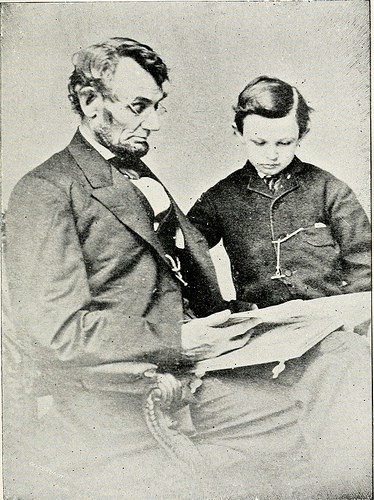
Abraham Lincoln’s son Tad, named the turkey Jack. Tad taught Jack to follow him closely as he wandered around the White House grounds. When the time came to turn Jack into Christmas dinner, Tad protested, saying, “He’s a good turkey, and I don’t want him killed.”
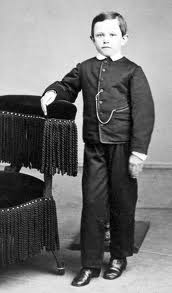
Tad Lincoln

Abraham Lincoln always a kind father and a great animal lover, gave in and pardoned Jack. Lincoln’s pardon was the first for a White House turkey. The tradition continues today.

If you like this post, then please consider sharing it and leaving a comment below. Thank you! Barbara Lowell, Children’s Author

You may like: Books For Kids: Abe Lincoln https://barbaralowell.com/books-for-kids-abe-lincoln

The Smithsonian article can be found at: 

http://www.smithsonianmag.com/history/the-history-of-pardoning-turkeys-began-with-tad-lincoln-141137570/

Books For Kids:
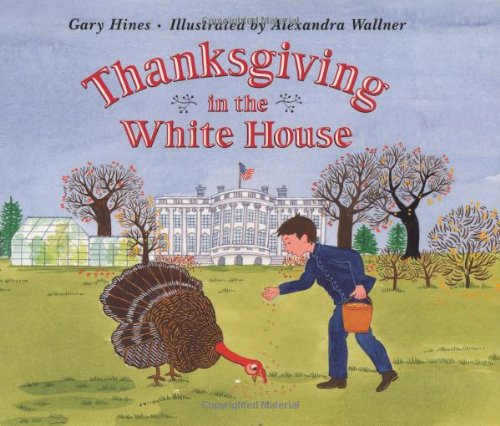
51WdCRNVmlL

Thanksgiving in the White House

By Gary Hines, Illustrated by Alexandra Wallner
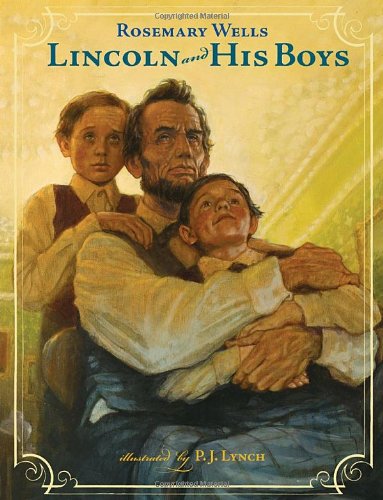
51hTHmn8V9L

Lincoln and His Boys

By Rosemary Wells, Illustrated by P.J. Lynch
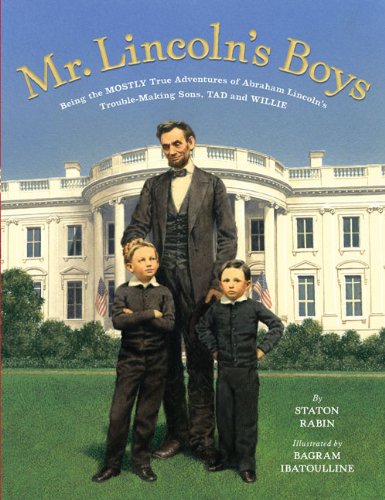
51gBPmGMstL

Mr. Lincoln’s Boys

By Staton Rabin, Illustrated by Bagram Ibatoulline

Kids Tell the Story of the First Thanksgiving:

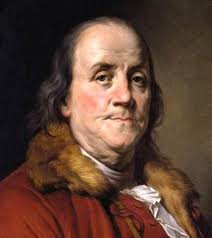
Ben Franklin Invented Swim Fins

Ben Franklin was the first person to invent and test swim fins.

Growing up in Boston, Ben loved to swim. He wanted to find a way to make swimming easier. When he was eleven, he built a set of wooden swim paddles for his hands, similar to the fins of a fish. The paddles worked, but swimming with them eventually hurt his wrists.

Ben went back to work and made a second set for his feet. He then tried out both sets together. Unfortunately, he found that he could swim better without the paddles. He later found that floating in the water could be easily accomplished when holding onto a kite.

Today, we use flexible swim fins based on the same principle Ben used. We can swim faster and easier with them.

Read about his swim fins in:

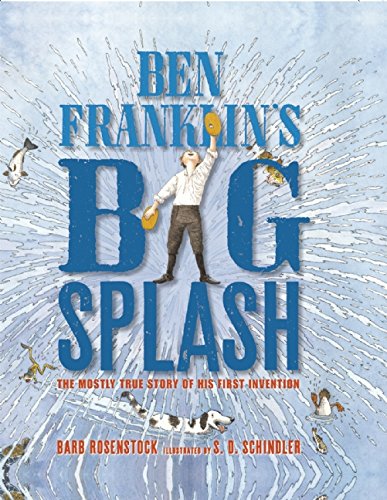
61BVa1RnddLBen Franklin’s Big Splash

By Barb Rosenstock, Illustrated by S.D. Schindler

As an adult, Ben continued inventing practical objects. He invented the Franklin Stove, bifocals, the lightning rod, a musical instrument called the Glass Armonica, the Long Arm for reaching books off a high shelf, the library chair, the second hand clock, and the odometer — only the Glass Armonica is rarely used today.

Read about his inventions in:

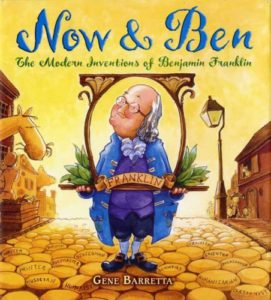
Now & Ben: The Modern Inventions of Benjamin Franklin

By Gene Barretta

And of course — he discovered that electricity is the same as lightning.

If you like this post, then please consider sharing it and leaving a comment below. Thank you! Barbara Lowell, Children’s Author

To Learn More Read: Ben Franklin Runs Away at: https://barbaralowell.com/ben-franklin-runs-away

Books For Kids: Ben Franklin https://barbaralowell.com/books-for-kids-ben-franklin

Watch kids present how Ben discovered electricity at: http://www.history.com/topics/american-revolution/benjamin-franklin/videos/kids-history-ben-franklin-and-his-kite

Teddy Roosevelt — A Pony in the White House

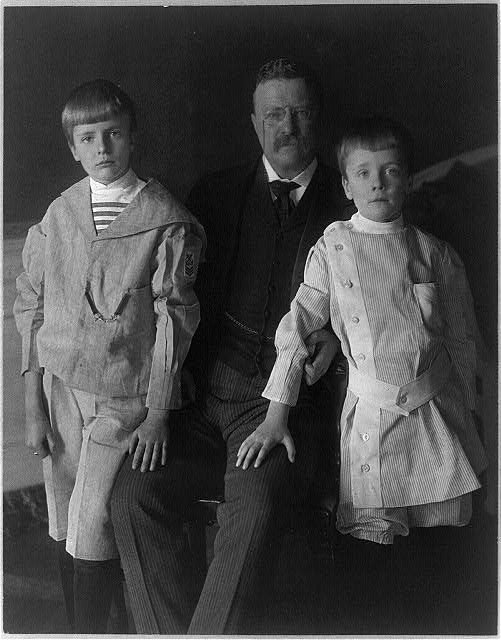
Archie, President Roosevelt and Quentin

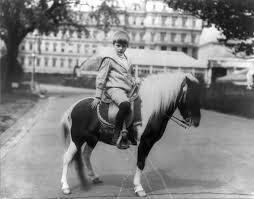
Archie Roosevelt, the nine-year-old son of President Teddy Roosevelt was recovering from the measles. He missed his pony, Algonquin, and wasn’t allowed outside to ride him.

His five-year-old brother, Quentin, had an idea. He enlisted the help of a footman who pushed the pony into the White House elevator while Quentin pulled. Algonquin resisted at first but when he saw his face in the mirror, he calmed down. The three rode up to the second floor and Quentin surprised Archie who was overjoyed to see his pony.

The New York Times reported on April 27, 1903, that “this is the first time that a horse has ridden in a White House elevator.

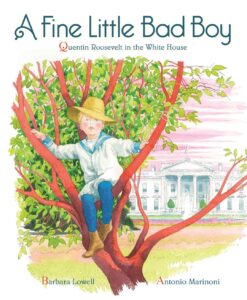
A Fine Little Bad Boy: Quentin Roosevelt in the White House

By Barbara Lowell, Illustrated by Antonio Marinoni

Coming: August 13, 2024

Quentin may be the “littlest Roosevelt,” but he soon rivals his father, the famous Teddy, as the biggest personality in the White House of the early 1900’s. From roller skating in the halls to shooting spitballs at Andrew Jackson’s portrait. From swimming in the fountains to taking a pony for an elevator ride. This “fine little bad boy” takes full advantage of his father’s long tenure as president, believing the good times will never end. 4-8 years

Archie_Roosevelt_poses_with_Algonquin_1902

Archie and Algonquin his Icelandic Shetland Pony

If you like this post, then please consider sharing it and leaving a comment below. Thank you! Barbara Lowell, Children’s Author

You may like: Teddy Roosevelt’s Christmas Surprise https://barbaralowell.com/teddy-roosevelt-christmas-surprise

Famous Fala, The President’s Dog

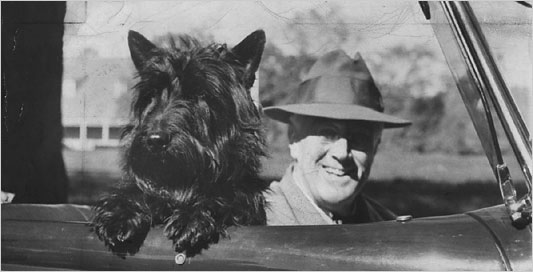
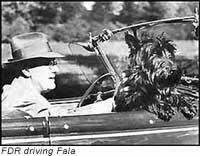
President Franklin Roosevelt’s Scottish terrier, Fala, appeared in newspaper photos around the world. He was so well-known that the Secret Service gave him the code name “The Informer.” When people spotted him, they knew the president was close by. Fala traveled everywhere with the president by ship, train, and car.

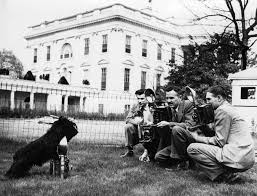
tumblr_nc3u6jvwnW1snpn26o1_1280

Posing for photographers

Fala was born on April 7, 1940. A gift to President Roosevelt, he moved into the White House in November that year. The president named him Murray the Outlaw of Falahill after a Scottish ancestor. But the puppy was too small for such a big name. The president immediately shortened it.

An exceptionally friendly dog, Fala received lots of attention. He liked to show off his tricks to White House visitors: rolling over, jumping up, speaking, lying down, and his favorite, begging. But he never let the attention go to his head. He was a down-to-earth dog.

Fala liked to dig holes in the White House lawn, burying and digging up his bones. And he was always ready to chase the White House squirrels. At night, he slept beside the president’s bed. In the morning he enjoyed a dog biscuit when the president ate his breakfast.

dogpresident_w_fala

He received lots of fan mail, especially from children. He starred in two short films produced by MGM. His biography, The True Story of Fala was published when he was only two years old. He was also named an honorary army private. And he was given the title President of Barkers for Britain. He had campaigned to have American dog owners donate money to help the British people in World War II. 

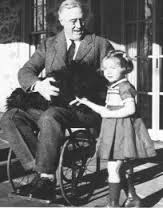
fdrchair

At Hyde Park with the president and a caretaker’s daughter

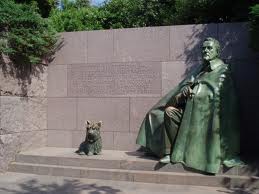
Fala died on April 5, 1952. He is buried in the rose garden at Hyde Park. In 1997, a memorial to President Roosevelt was dedicated near the National Mall in Washington, D.C. A statue of Fala is forever at President Roosevelt’s side.

P5300127

The Franklin Delano Roosevelt Memorial in Washington, D.C.

If you like this article, then please consider sharing it and leaving a comment below. Thank you! Barbara Lowell, Children’s Author

You may like: Hachiko, Faithful Dog https://barbaralowell.com/hachiko-faithful-dog

Balto, Hero Dog https://barbaralowell.com/balto-hero-dog

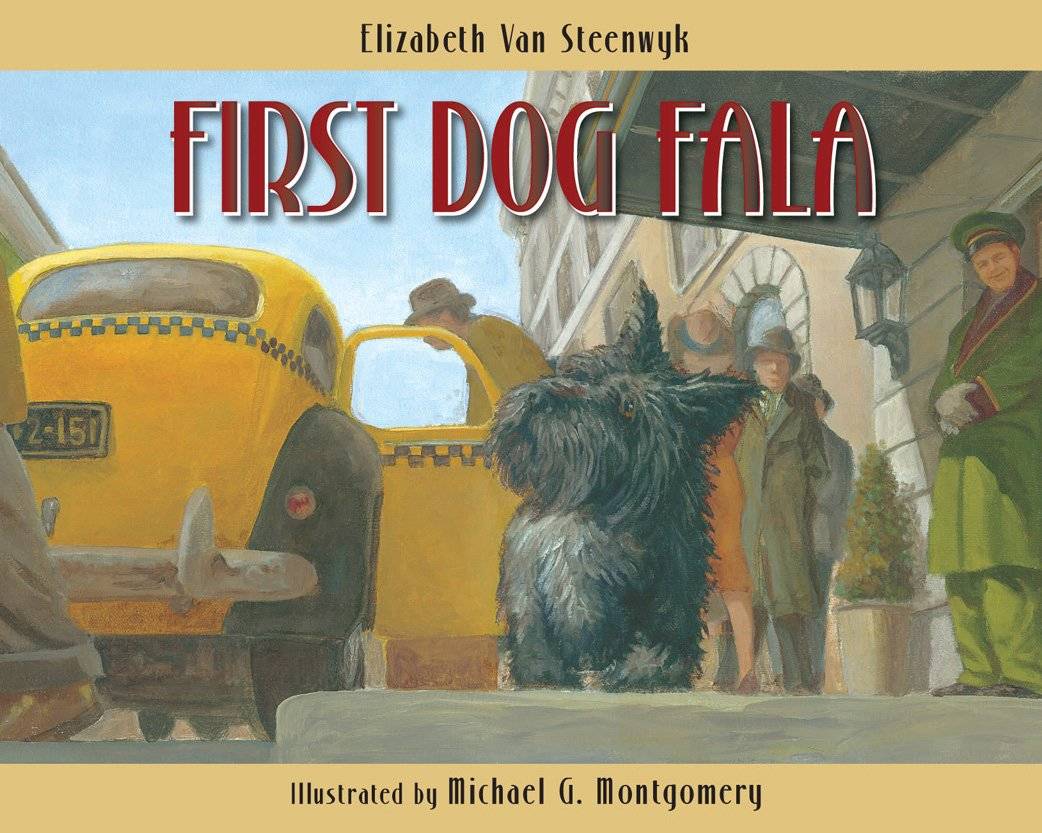
A Book For Kids:71I31Uu7LxL

First Dog Fala

By Elizabeth Van Steenwyk, Illustrated by Michael G. Montgomery

Christopher Robin and the Real Winnie

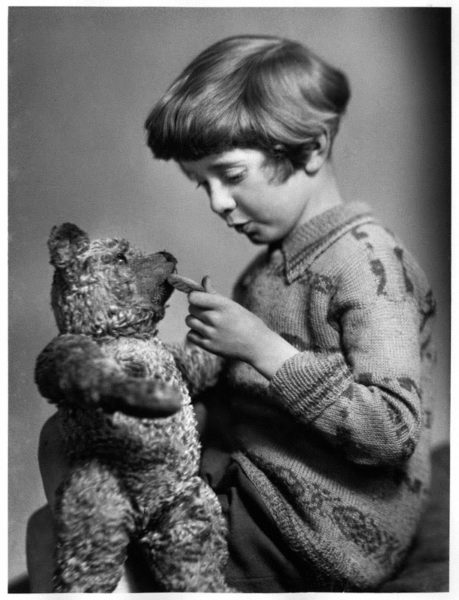
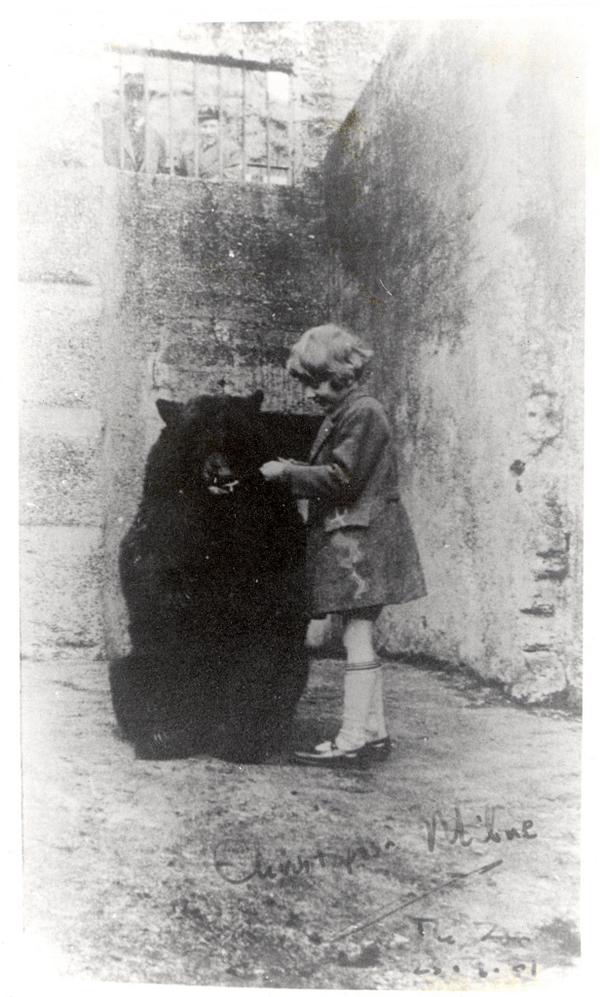
Christopher Robin Milne, the son of A.A. Milne, the author of Winnie-the-Pooh and The House at Pooh Corner, first met London Zoo’s famous bear Winnie when he was three or four years old. According to his father, Christopher Robin ran right up to Winnie and said, “Oh, Bear!” while hugging her. “The bear hugged Christopher Robin,” his father said. “They had a glorious time together rolling about and pulling ears and all sorts of things.”

BvjOKRkIUAAtR4r

Christopher Robin and the Real Winnie 

Winnie was a very tame bear. She played with London’s children by giving them rides on her back. The children fed her oranges and a “Winnie cocktail” — sweet milk mixed with golden syrup. Winnie rocked back and forth to say thank you. Winnie even had her own “signed” publicity photo.

Sometime after meeting Winnie, Christopher Robin decided to rename his teddy bear, from Edward Bear (similar to the generic Teddy Bear) to Winnie-the-Pooh. He combined the name Pooh, the name he had given to a swan, with Winnie, the bear’s name, to create the original name Winnie-the-Pooh, a name known throughout the world.

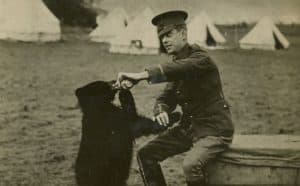
Winnie, an American black bear, was found at a train station by Lt. Harry Colebourn, a Canadian Veterinary soldier, when she was about seven months old. He traveled to England for training in WWI and when sent to the front in France, temporarily gave Winnie to London Zoo. In December 1919, he decided to donate Winnie to the zoo in gratitude for the excellent care she received.

If you like this article, then please consider sharing it and leaving a comment below. Thank you! Barbara Lowell, Children’s Author

Books For Kids:

Finding Winnie: The True Story of the World’s Most Famous Bear

By Lindsay Mattick, Illustrated by Sophie Blackall

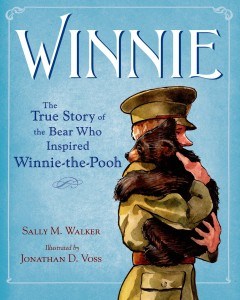
Winnie:

The True Story of the Bear Who Inspired Winnie-the-Pooh

By Sally M. Walker, Illustrated by Jonathan D. Voss

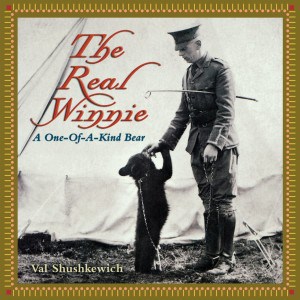
The Real Winnie: A One-Of-A-Kind Bear

By Val Shushkewich